
The Scale of the Problem
- Million people speaking in ways no current AI understands
- Languages and dialects in our training and evaluation set
- Core markets where we're deployed and expanding

VALSEA
In Southeast Asia, speech is messy: accents shift, languages mix, meaning depends on context.
Existing models were never built for this.
We’re building the speech intelligence layer that makes real-world Asian speech actually understandable.

What It Feels Like to Work Here
You will work on undefined problems in messy, real-world systems where edge cases are the norm.
You’ll be trusted to figure things out, own outcomes, and ship fast. We learn by building, observing, and improving.
We care about accuracy, reliability, and what actually works in production.
How We Operate
You Own the Outcome.
Not tasks. Not effort. Outcomes. Trust is not earned here — it is given on day one. You keep it by shipping.
Assumed Responsibility
If you see a problem, it is yours. No one needs to assign it. No one needs to approve it. You figure it out.
Best Interest
We assume you are acting in the best interest of the team and the product. Until proven otherwise. That is the default.
Trust as Default
Trust is not earned here. It is given on day one. You keep it by doing what you said you would do, by when you said you would do it.
Open Roles
-
VALSEA Incubation Program (Q4) - Build With Us
Singapore · Fully Remote
-
Founder's Right Hand
Singapore · Hybrid
-
Partnerships & Business Development Intern
Singapore · Hybrid
-
Speech / Applied ML Engineer (Intern)
Singapore · Fully Remote
-
Solutions Engineer / Forward Deployed Engineer (Intern)
Singapore · Fully Remote
-
Site Reliability Engineer (Intern)
Singapore · Fully Remote
-
Security / Privacy Engineer (Intern)
Singapore · Fully Remote
-
QA Engineer (Intern)
Singapore · Fully Remote
-
Infrastructure Engineer (Intern)
Singapore · Fully Remote
The VALSEA Way
Team Culture
-
Don’t walk in front of me; I may not follow. Don’t walk behind me; I may not lead. Walk beside me and be my friend.
~ Albert Camus
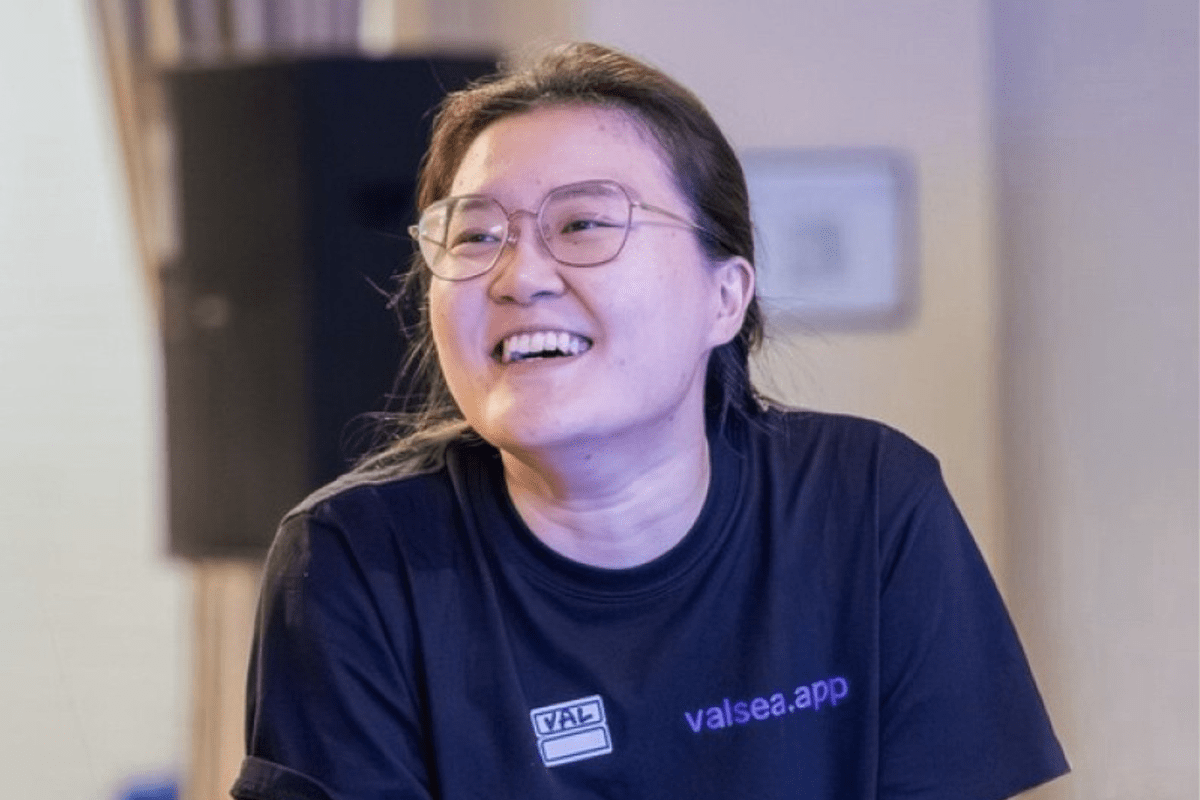
Val (Founder, VALSEA)


About VALSEA
Already working at VALSEA?
Let’s recruit together and find your next colleague.